Ethanol produced in the European Union (EU) generates 78.4% fewer greenhouse gas (GHG) emissions than petroleum-based fuels. This figure has improved for the 11th consecutive year, and investment in carbon capture technologies could make climate-neutral ethanol production possible in the future.
In many EU countries, including Lithuania, petrol contains 10% ethanol. Increasing the proportion of ethanol in petrol can significantly reduce GHG emissions and help decarbonise the transport sector.
According to ePURE, the association representing European ethanol producers, the EU ethanol industry also produced 5.9 million tonnes of food and animal feed in 2022. Ethanol production therefore contributes not only to climate goals but also to the food supply.
“Domestic ethanol production is more important than ever in achieving the EU’s strategic objectives: helping address food security challenges, strengthening energy independence and freeing the transport sector from its reliance on oil,” emphasised David Carpintero, Director General of ePURE.
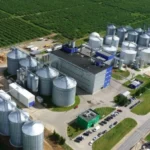
Based in Pasvalys, Kurana is the only ethanol producer in the Baltic states. According to the company’s CEO, Jurgis Polujanskas, ethanol produced in Lithuania delivers substantial GHG savings, while the entire production process is waste-free. Biogas generated during production is converted into heat and electricity, while biomass is used to produce organic fertilisers.
Polujanskas noted that European ethanol producers continue to set new records for GHG savings each year by investing in advanced technologies that reduce the climate impact of production. The 78.4% figure is not the limit: producers are working towards climate-neutral ethanol production in the long term.
“European ethanol producers, including our company, are exploring innovative solutions. One promising option is carbon capture technology, which allows carbon dioxide to be captured from the atmosphere and stored. Implementing this technology could make ethanol production entirely climate-neutral,” said Kurana’s CEO.
According to Polujanskas, a clear trend is emerging: a growing number of transport companies are seeking to transform their operations by replacing petroleum-based fuels with energy from renewable sources, including renewable fuels, biomethane and electricity.
“The decarbonisation of the transport sector is already underway, but progress could be faster. Lithuania remains among the EU countries furthest behind in the use of renewable energy in transport. Political will is therefore essential to accelerate the green transition and reduce oil consumption,” Polujanskas emphasised.